
Seen & Thriving
To be truly seen is to be understood, valued, and supported for exactly who you are. In the heart of a homeschool, this isn’t an educational philosophy—it’s the daily reality. When a child learns in an environment where their unique spirit is acknowledged, their capacity for growth is boundless.
The Power of Being Seen
Feeling seen is the foundation upon which all learning is built. It’s the quiet confidence that comes from knowing your questions matter, your struggles are met with patience, and your victories are genuinely celebrated. This deep sense of security frees a child to explore, take risks, and engage with the world without the fear of judgment or the pressure to conform.
Research consistently shows that this nurturing environment has a profound impact. An overwhelming 87% of peer-reviewed studies find that homeschooled students perform statistically significantly better in social, emotional, and psychological development than their peers in conventional schools2.

How Being Seen
Transforms Learning
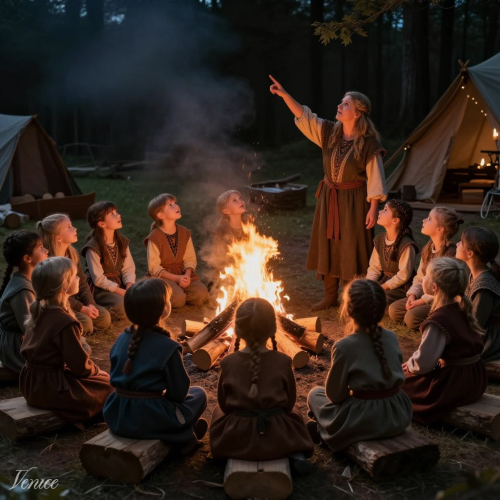
When a child feels seen, the entire dynamic of education shifts from a chore to a calling.
- Emotional Flourishing: Children who are seen develop a stronger sense of self-worth and emotional regulation. They are better equipped to manage their feelings and build resilience. In fact, long-term homeschoolers were found to be the least likely to “feel helpless dealing with life’s problems” and reported the lowest symptoms of depression and anxiety5.
- Social Confidence: The myth of the unsocialized homeschooler has been consistently debunked by research. The home-educated are doing well, typically above average, on measures of social, emotional, and psychological development, including peer interaction, self-concept, leadership skills, and self-esteem7.
- Academic Freedom: A child who feels emotionally safe is free to focus their intellectual energy on learning. This is a key reason why the home-educated typically score 15 to 25 percentile points above public-school students on standardized academic achievement tests2.
The Parent's Role
as the Seer
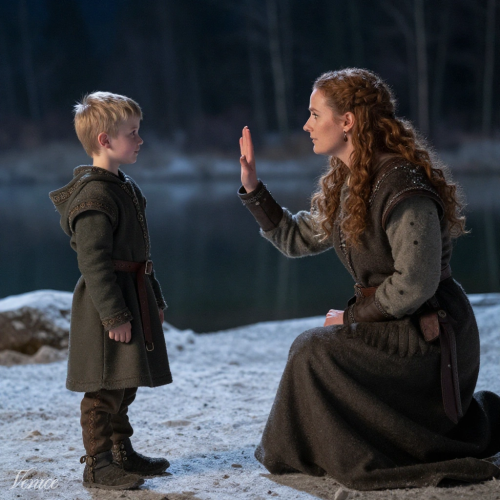
I don’t mean you have to be a seer in the metaphysical sense to be a good homeschool parent. That’s not the goal. We can’t predict the future, but in a
homeschool, the parent is more than an instructor;
they are the primary see-er. This unique role allows you to:
- Honor Their Pace: You see when your child is ready to soar and when they need to slow down, ensuring they truly master concepts rather than just keeping up.
- Follow Their Spark: You can see and nurture their unique interests, weaving their passions into the fabric of their education.
- Provide a Safe Harbor: You offer a consistent, loving presence that shields them from the social pressures and anxieties that can overshadow learning in other environments.
Ultimately, choosing to homeschool is choosing to create a world where your child is unconditionally seen. It is in this space of profound acceptance that they don’t just learn—they thrive.
Sources
- National Home Education Research Institute (NHERI). Research Facts on Homeschooling 1.
- Family Policy Institute of Washington. Happy at Home: The Positive Outcomes of Home Education5.
- Homeschooling Curriculum Guide. STATISTICS on HOMESCHOOLING7.
- Yellow Bus ABA. Homeschooling Statistics9.
- National Home Education Research Institute (NHERI). Homeschooled Children’s Social Skills 2.
- PMC. How the home learning environment contributes to children’s social–emotional competence 3.
- Tandfonline. A systematic review of the empirical research on selected aspects of homeschooling as a school choice 4.
- Queens Online School. The Real Benefits of Home Education: A Complete Guide for Parents6.
- Social Science Journals. The psychological effects of homeschooling on children8.
- National Home Education Research Institute (NHERI). The Social and Emotional Health of Homeschooled Students in the United States 4.