

Curriculum Can Be Flexible:
One of the greatest freedoms of homeschooling is breaking free from the one-size-fits-all model. Your family’s educational journey can be a living, breathing reflection of your values, your child’s interests, and the rhythm of your daily life. Whether you crave a structured roadmap or a spirit-led adventure, the power to shape the curriculum is in your hands.
The Spectrum of Flexibility
Homeschooling isn’t a single method; it’s a spectrum of approaches. You can find the perfect balance for your family, and even shift that balance as your needs change.
- Structured Approaches: For families who thrive on clear direction and measurable progress, structured curricula provide a solid foundation. This can include traditional textbook programs, classical education models like the Trivium, or accredited distance learning schools that provide record-keeping and diplomas1.
- Eclectic & Relaxed Approaches: Many families find their sweet spot by mixing and matching resources. An eclectic approach might use a formal math curriculum, while history is learned through living books and documentaries, and science is explored with hands-on kits and nature walks. This allows you to tailor every subject to your child’s learning style3.
- Unschooling & Child-Led Learning: At the end of the flexibility spectrum lies unschooling, which trusts that children are natural learners. Instead of a formal curriculum, learning emerges organically from a child’s interests and real-world experiences. This approach prioritizes curiosity and intrinsic motivation over pre-determined lessons4.
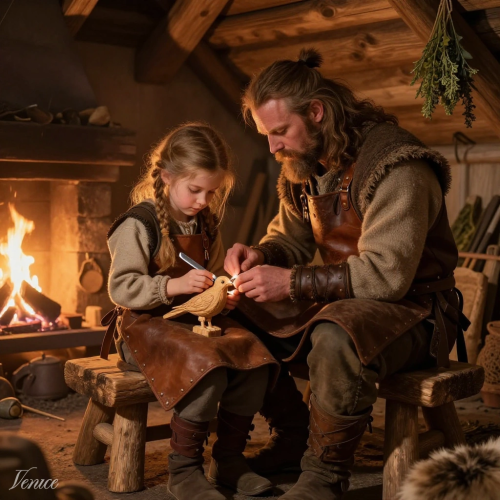
- Worldview Integration: Your curriculum can be deeply aligned with your family’s spiritual or secular beliefs. You can choose faith-based programs that weave theology into every subject, or you can build a completely secular curriculum focused on science and humanist values. For those on a magical or nature-based path, learning can be interwoven with the cycles of the seasons, folklore, and earth-based traditions.
The Benefits of a Tailored Approach
This flexibility isn’t just about freedom; it has tangible benefits for your child and your family.
- Adapting to Pacing: A flexible curriculum allows a child to fly ahead in subjects they excel at and take the time they need to master concepts they find challenging, without the pressure of keeping up with or waiting for a classroom5.
- Fostering a Love of Learning: When education is relevant and engaging, it stops being a chore. By connecting lessons to a child’s passions—be it dinosaurs, video games, or ancient mythology—you can ignite a lifelong love of learning.
- Accommodating Life: Homeschooling fits into your life, not the other way around. Learning can happen while traveling, during a family health challenge, or around a parent’s work schedule. This adaptability is a core reason many families choose this path.